You Won’t Believe What I Found Walking Through São Paulo’s Hidden Public Spaces
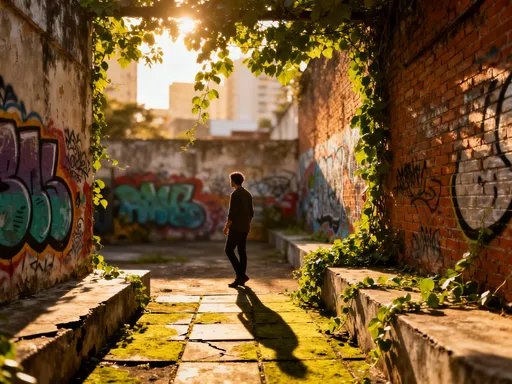
São Paulo is more than skyscrapers and traffic—you just have to walk to see it. I hit the pavement with no plan, and suddenly, the city opened up: quiet courtyards, vibrant plazas, green pockets in concrete jungles. These public spaces aren’t just gaps between buildings—they’re where life happens. From street art to spontaneous music, every corner tells a story. Let me take you through the São Paulo few travelers ever notice—but everyone should experience. It’s a city that reveals itself slowly, not from the window of a taxi, but through the rhythm of footsteps on sun-warmed pavement, through conversations overheard in open-air markets, and through the laughter of children chasing kites in a park nestled between apartment blocks. This is São Paulo as its residents know it—alive, layered, and full of quiet wonders.
Rethinking São Paulo: Beyond the Urban Chaos
Most first impressions of São Paulo are shaped by its sheer scale. Towering glass buildings stretch into the clouds, highways weave through the hills, and the constant hum of traffic fills the air. To many, the city feels overwhelming, even impersonal—a place built for movement, not for lingering. Guidebooks often highlight museums, shopping malls, or fine dining, reinforcing the idea that São Paulo is best experienced from curated, climate-controlled spaces. But this perspective misses a fundamental truth: São Paulo has a heartbeat, and you can only feel it when you slow down.
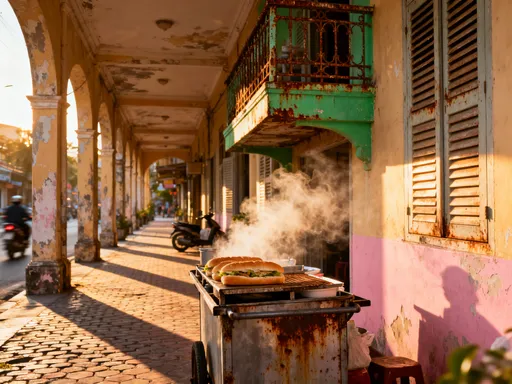
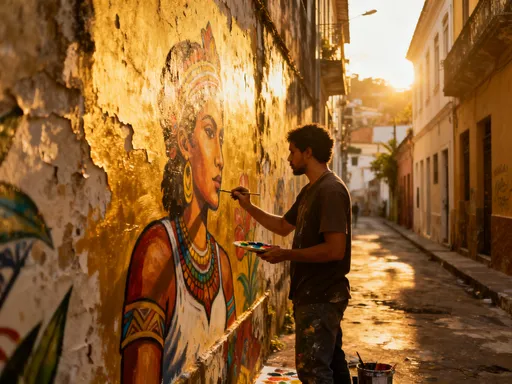
Walking changes everything. When you trade speed for presence, the city transforms. The noise fades into a background rhythm, and patterns begin to emerge. You notice the elderly couple sharing coffee at a sidewalk table, the street vendor arranging fruit with meticulous care, the muralist adding the final strokes to a colorful wall painting. These are not random moments—they are threads in the fabric of daily life. São Paulo’s identity isn’t defined solely by its economic power or architectural ambition, but by the countless small interactions that take place in its public spaces.
These spaces serve as the city’s connective tissue. They are where people from different neighborhoods, income levels, and backgrounds cross paths. A plaza might host a yoga class in the morning, a lunchtime crowd of office workers, and an evening gathering of teenagers. This fluid use of space reflects São Paulo’s resilience and adaptability. Urban planners and community leaders increasingly recognize that these areas are not luxuries, but essential infrastructure. They contribute to social cohesion, mental well-being, and civic pride. By reimagining public spaces as vital urban assets, São Paulo is quietly rewriting its narrative—from a city of congestion to one of connection.
Why Public Spaces Matter in a Megacity
In any large city, public spaces are more than just open areas. They are shared environments accessible to all, regardless of social status or economic background. In São Paulo, a metropolis of over 12 million people, these spaces play a critical role in maintaining balance. They offer relief from the density of urban living, serving as venues for relaxation, recreation, and spontaneous social exchange. A well-designed plaza, park, or pedestrian pathway does not merely fill empty land—it fosters a sense of belonging.
The psychological benefits of accessible public spaces are well documented. Exposure to greenery and open skies reduces stress and improves mood. In a city where many live in compact apartments without private outdoor areas, parks and plazas become extensions of home. They provide room to breathe, to stretch, to sit in silence or engage in conversation. For children, these spaces are essential for play and development. For older adults, they offer opportunities for light exercise and social connection, reducing feelings of isolation.
Socially, public spaces act as democratic arenas. Unlike malls or private clubs, they do not require spending money to enter. Anyone can sit on a bench, enjoy a meal, or participate in a community event. This inclusivity strengthens the social fabric, allowing diverse groups to coexist and interact. In São Paulo, where socioeconomic disparities are visible, such spaces become even more important. They offer neutral ground where differences can be set aside, even if only for a moment.
The city has made significant strides in reclaiming space from vehicles. For decades, São Paulo prioritized cars, resulting in wide avenues and limited pedestrian zones. But recent urban initiatives have begun to reverse this trend. Temporary car-free streets, expanded sidewalks, and protected bike lanes reflect a growing commitment to human-centered design. These changes are not just about convenience—they are about redefining what the city is for. Public spaces are no longer afterthoughts; they are central to São Paulo’s vision of a more livable, equitable future.
Starting Point: Downtown’s Unexpected Gems
To truly appreciate São Paulo’s hidden public spaces, begin in the heart of the city. Downtown, often dismissed as chaotic or outdated, holds some of its most surprising treasures. Largo do Arouche, a modest square surrounded by 19th-century buildings, is one such place. By day, it buzzes with flower vendors arranging bouquets under colorful umbrellas. Seniors play dominoes on stone tables, while office workers pause for a quick coffee at a nearby kiosk. The atmosphere is relaxed, almost village-like, despite being just minutes from major business districts.
What makes Largo do Arouche special is its authenticity. Unlike tourist-oriented plazas, it has not been overly polished or commercialized. Its charm lies in its imperfections—the cracked tiles, the faded paint on wrought-iron benches, the way sunlight filters through the canopy of trees. It feels lived-in, real. Nearby, a network of covered arcades connects small shops and cafés, creating shaded walkways that invite exploration. These passageways, remnants of early 20th-century urban planning, offer shelter from rain and sun, making walking more comfortable in São Paulo’s variable climate.
Just a few blocks away, hidden courtyards tucked between office buildings reveal another layer of urban life. Some are accessible through glass doors, others through unmarked archways. Inside, you might find a quiet garden with potted plants, a mural celebrating local history, or a small fountain surrounded by benches. These spaces were once private, but many have been opened to the public through city partnerships or community advocacy. They serve as micro-oases, offering moments of calm in an otherwise fast-paced environment.
Pedestrian-friendly zones are slowly expanding in central areas. On weekends, certain streets close to traffic, allowing people to stroll, cycle, or attend open-air events. These temporary transformations demonstrate what is possible. When cars are removed, space opens up for people. Children ride scooters, couples dance to live music, and families picnic on the pavement. These moments, though fleeting, suggest a future where walking is not just tolerated but celebrated as a way of experiencing the city.
Green Lung of the City: Parque Ibirapuera’s Living Legacy
No discussion of São Paulo’s public spaces would be complete without Parque Ibirapuera. Often described as the city’s green lung, this 383-acre park is a masterpiece of urban planning and a sanctuary for millions. Designed by renowned Brazilian architect Oscar Niemeyer and landscaped by Roberto Burle Marx, it blends modernist architecture with lush greenery, creating a harmonious environment that feels both grand and intimate.
Entering the park from Av. República do Líbano, visitors are greeted by sweeping lawns, winding paths, and reflective lakes. The iconic Oca, a futuristic concrete structure shaped like a shell, hosts rotating art exhibitions. Nearby, the Ibirapuera Auditorium and the Afro Brazil Museum anchor the cultural heart of the park. But beyond these landmarks, the true magic lies in everyday use. Early in the morning, joggers and walkers fill the pathways, moving in rhythm with the sunrise. Cyclists weave through shaded avenues, while tai chi practitioners gather near the water.
Families arrive later in the day, spreading blankets for picnics or renting paddle boats. Playgrounds are filled with laughter, and food kiosks serve fresh fruit, coconut water, and savory snacks. On weekends, the park becomes a stage for community events—outdoor yoga classes, dance performances, and environmental fairs. These activities are not imposed from above, but emerge organically from the city’s diverse population.
What sets Parque Ibirapuera apart is its balance between structure and freedom. The layout is carefully designed, yet it allows for endless personal interpretation. You can follow a marked trail or wander off into a quiet grove. You can visit a museum or simply lie on the grass and watch clouds drift by. This flexibility makes the park accessible to all, whether you seek activity or stillness. It also reflects a deeper philosophy: that public spaces should serve both the mind and the spirit.
Environmental sustainability is another key aspect of the park’s legacy. Native plants dominate the landscaping, supporting local biodiversity. Rainwater is collected and reused, and waste management systems encourage recycling. Educational signs teach visitors about conservation, turning leisure time into learning opportunities. In a city grappling with pollution and urban heat, Parque Ibirapuera stands as a model of how green spaces can contribute to ecological resilience.
Off the Beaten Path: Local Neighborhood Squares and Playgrounds
While major parks attract attention, São Paulo’s soul can also be found in its smaller, neighborhood-based spaces. In districts like Vila Madalena and Perdizes, public squares and playgrounds function as social hubs, shaped by the people who use them daily. These areas rarely appear in guidebooks, yet they offer some of the most authentic experiences in the city.
Vila Madalena, known for its bohemian vibe and vibrant street art, is home to several intimate plazas. Praça Japão, though modest in size, is a favorite among locals. Encircled by tall trees and bamboo, it features a circular bench and a small water feature. In the evenings, residents gather to chat, read, or listen to impromptu guitar music. The square feels secluded, almost secret, despite being just off a busy avenue. Nearby, narrow streets lined with cafes and bookshops invite slow exploration, reinforcing the neighborhood’s walkable character.
Perdizes, a quieter residential area, offers a different rhythm. Here, playgrounds are not just for children but for intergenerational connection. Grandparents watch toddlers on swings, while teens play basketball on outdoor courts. Benches are strategically placed to encourage conversation, and small gardens add color and fragrance. Some spaces have been upgraded with inclusive equipment, allowing children of all abilities to play together. These details reflect a growing awareness of accessibility in urban design.
Street markets, often held in parking lots or closed streets, also function as temporary public spaces. The Feira da Madalena, for example, transforms a schoolyard into a bustling marketplace every Saturday. Vendors sell organic produce, handmade crafts, and regional specialties. Shaded by tarps and strung with fairy lights, the market feels festive and communal. Shoppers linger, sampling food and chatting with neighbors. These events reinforce the idea that public space is not static—it can be created, even if only for a few hours.
What unites these neighborhood spaces is their informality. They are not grand or monumental, but they are deeply loved. They reflect the needs and values of local communities, evolving through use rather than top-down planning. In a megacity like São Paulo, such spaces provide a sense of scale and intimacy, reminding residents that the city belongs to them.
Design That Invites Movement: Pedestrian Infrastructure in Progress
The quality of public spaces depends not just on their existence, but on how they are connected. In São Paulo, efforts to improve walkability have gained momentum in recent years. One of the most visible initiatives is the Ciclofaixa, a network of temporary bike and pedestrian paths that opens on Sundays and holidays. Stretching over 100 kilometers across the city, these routes allow people to explore neighborhoods safely, away from traffic.
The success of Ciclofaixa has inspired permanent changes. Some sections have been converted into protected bike lanes, and sidewalks in key areas have been widened and repaved. Street lighting has been improved, and benches and water fountains have been added to enhance comfort. These upgrades reflect a shift in priorities—from moving cars quickly to supporting people moving safely and comfortably.
However, challenges remain. Access to quality pedestrian infrastructure is uneven. Wealthier neighborhoods often have better-maintained sidewalks and more green spaces, while peripheral areas face neglect. Safety is another concern, particularly after dark. Poor lighting and lack of surveillance can deter walking, especially for women and older adults. Weather, too, plays a role. São Paulo’s frequent rain can make uncovered pathways unpleasant, highlighting the need for more shelters and covered walkways.
Despite these obstacles, progress is evident. Community groups and urban activists continue to advocate for equitable design. Projects like the revitalization of the Rio Pinheiros waterfront aim to create continuous green corridors for walking and cycling. Schools are incorporating walkability into urban planning curricula, fostering a new generation of designers who prioritize people over vehicles.
Thoughtful design can transform behavior. When sidewalks are wide, shaded, and lined with trees and benches, people are more likely to walk. When crossings are safe and signals are timed for pedestrians, walking becomes a practical choice, not just a recreational one. These details may seem small, but collectively, they shape how people experience the city. In São Paulo, the goal is not to eliminate traffic, but to create balance—a city where cars serve people, not the other way around.
Walking as a Way to Connect: A Final Reflection
Walking through São Paulo’s hidden public spaces changed my understanding of the city. What began as a simple experiment—to explore without a destination—became a journey of discovery. I learned to appreciate the quiet moments: a shared smile with a stranger, the scent of jasmine in a courtyard, the sound of a saxophone drifting from a park bench. These experiences were not grand or dramatic, but they were deeply human.
More than just physical places, these spaces are acts of connection. They bring people together across generations, cultures, and walks of life. In a world that often feels divided, São Paulo’s plazas, parks, and sidewalks offer a different model—one built on proximity, observation, and shared presence. They remind us that cities are not just made of steel and concrete, but of stories, relationships, and small acts of kindness.
The transformation was not only in how I saw the city, but in how I saw myself within it. Walking without agenda taught me patience, curiosity, and empathy. It allowed me to move at the city’s natural rhythm, rather than imposing my own. I stopped viewing São Paulo as a place to conquer or consume, and began to see it as a living, breathing entity, full of contradictions and beauty.
To travelers considering a visit, I offer this invitation: come with an open mind and comfortable shoes. Skip the guided tour, at least for a day. Instead, walk. Let yourself get lost. Turn down a side street, sit on a bench, watch the world go by. You don’t need a map to find the heart of São Paulo—you just need the willingness to look, to listen, and to be present. The city will reveal itself, not in monuments or landmarks, but in the quiet, unexpected moments that happen when you slow down and truly see.