Woven Stories and Golden Dust: Hunting Handmade Treasures in Kumasi
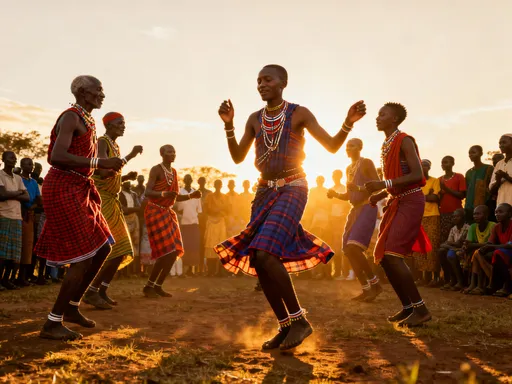
Kumasi, the cultural heart of Ghana, pulses with color, rhythm, and craft. As I wandered through bustling markets and quiet village workshops, I discovered that every fabric, carving, and bead tells a story. These aren’t just souvenirs—they’re pieces of heritage. From kente cloth shimmering in the sun to earthy pottery shaped by generations of hands, Kumasi’s handmade goods offer a deeper way to connect with West Africa’s soul. More than a shopping experience, exploring these crafts becomes a journey into identity, tradition, and resilience. For travelers seeking meaning beyond sightseeing, Kumasi invites you to slow down, listen closely, and carry home something truly alive.
The Spirit of Kumasi: Where Culture Meets Craft
Kumasi stands as the historic capital of the Ashanti Kingdom, a city where culture is not preserved behind glass but lived in the rhythm of daily life. The red laterite soil stains sandals and pathways alike, a constant reminder of the earth from which creativity springs. Drumbeats echo at dawn and dusk, carrying messages across neighborhoods, while the scent of roasting plantains mingles with woodsmoke and shea butter warming in the sun. This is a city where artistry is not separate from existence—it is woven into it. Every pattern on a cloth, every curve of a carved stool, carries intention and meaning passed down through centuries.
The Ashanti people have long revered craftsmanship as both skill and spiritual practice. Artisans are not merely makers; they are custodians of knowledge, entrusted with symbols, stories, and techniques refined over generations. In Kumasi, tradition does not resist change but adapts carefully, ensuring authenticity remains intact. Visitors quickly sense this depth—not in grand monuments, but in the quiet focus of a weaver’s hands, the precision of a carver’s chisel, or the steady rhythm of a stamp pressing adinkra ink onto cloth. These moments reveal a living culture, resilient and proud.
What makes Kumasi unique among West African cultural centers is its commitment to preserving Ashanti identity through craft. Unlike cities where globalization has diluted local expression, Kumasi maintains strong ties to ancestral practices. Schools teach traditional drumming and dancing. Chiefs still wear kente of specific patterns during ceremonies. Families commission wooden stools to mark important milestones. For the traveler, this offers rare access to traditions that are not performed for tourists but shared with those who come with respect. It is here, in this atmosphere of continuity, that handmade treasures take on profound significance.
Kente Cloth: More Than Just Fabric
No symbol captures the essence of Ashanti heritage more vividly than kente cloth. Recognizable by its bright colors and intricate geometric patterns, kente is often mistaken as simply ceremonial attire. Yet its value runs far deeper. Each strip is handwoven on narrow looms, a painstaking process that can take days or even weeks depending on complexity. Originating in the 17th century, kente was once reserved for royalty and sacred occasions. Today, while more widely worn, it still commands reverence and is never treated as mere decoration.
The true magic of kente lies in its language of patterns and colors. Every design has a name and meaning—some commemorate historical events, others express proverbs or philosophical ideas. A pattern called *Eban* means safety and security, while *Sika Futuro* symbolizes gold dust, representing wealth and prosperity. Colors are equally symbolic: gold signifies royalty and spiritual purity, green stands for growth and renewal, blue reflects peace and harmony, and black honors ancestors and spiritual strength. To wear kente is to carry a message, consciously or not.
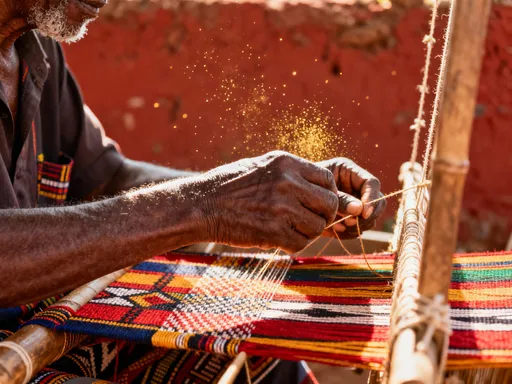
Visitors seeking authentic kente should journey to Bonwire, a village just outside Kumasi long celebrated as the birthplace of this craft. Here, weaving is a family affair. Fathers teach sons, mothers guide daughters, and apprentices spend years mastering tension, thread count, and pattern alignment. The looms themselves are often decades old, some inherited from grandfathers. Watching a master weaver work is mesmerizing—the swift back-and-forth of the shuttle, the rhythmic thud of the beater, the careful counting of threads to maintain symmetry. There are no shortcuts; each yard is earned through patience and precision.
Purchasing kente directly from Bonwire supports sustainable livelihoods and ensures authenticity. Tourists are welcomed into open-air workshops where they can observe the process and speak with artisans. Some centers even offer short demonstrations, allowing guests to try weaving a few lines under guidance. While ready-made pieces are available, commissioning a custom design offers a deeper connection—selecting colors and patterns that resonate personally transforms the cloth into a meaningful heirloom.
Adinkra Symbols: Messages Woven into Everyday Life
If kente speaks through color and pattern, adinkra communicates through symbols—each one a capsule of wisdom drawn from Ashanti philosophy. These iconic motifs appear on cloth, pottery, jewelry, and architecture, serving as visual proverbs. Unlike kente, which is woven, adinkra cloth is stamped using hand-carved calabash stamps and dyed with natural pigments made from the bark of the badie tree. The result is a soft, earth-toned fabric marked with repeating symbols, each carrying a distinct message.
One of the most recognized symbols is *Gye Nyame*, meaning “Except for God,” expressing the supremacy of the divine. Another, *Sankofa*, depicts a bird turning its head backward to retrieve an egg—it translates to “go back and fetch it,” encouraging learning from the past. *Duafe*, a wooden comb, symbolizes beauty, cleanliness, and feminine virtues. These are not decorative flourishes but enduring teachings embedded in everyday life. Mothers may choose *Akoma*, the heart symbol representing patience and tolerance, for a newborn’s blanket. A graduate might wear *Nkyinkyim*, the twisted rope, to honor perseverance.
To witness adinkra creation, travelers visit Ntonso, a village dedicated to this art form. Here, artisans begin by sketching designs onto dried calabash gourds, then meticulously carve them into stamps using simple metal tools. Each stamp must be perfectly balanced to produce a clean impression. The dye, traditionally prepared by boiling tree bark for hours, gives the cloth its rich brown hue. Stamping is a meditative act—each symbol pressed with deliberate spacing, often in rows or grids. Mistakes cannot be erased, so focus is absolute.
What makes adinkra especially accessible to visitors is its adaptability. Beyond full-length cloth, the symbols appear on tote bags, notebooks, coasters, and wall art—items that blend tradition with modern utility. Purchasing these supports local workshops while allowing travelers to bring home meaningful souvenirs. More importantly, learning the meanings behind the symbols fosters genuine appreciation. A simple coaster stamped with *Mpatapo*, the knot of reconciliation, becomes more than decor—it becomes a reminder of peace and unity.
Carvings That Speak: Wood, Story, and Soul
Woodcarving in Kumasi is an art form rooted in both utility and spirituality. In the village of Ahwiaa, known for generations as a center of Ashanti carving, the air is thick with the scent of sawdust and shea oil used to polish finished pieces. Artisans work under shaded canopies, chisels in hand, shaping stools, masks, figurines, and architectural elements from dense local hardwoods like odum and sapele. Each piece begins with careful selection of timber, often cut only after a brief ritual to honor the tree’s spirit.
The most sacred object in Ashanti woodcarving is the *sika dwa kofi*, or Golden Stool, believed to house the soul of the Ashanti nation. While replicas are carved for ceremonial and educational purposes, the original remains hidden and protected. Nevertheless, the stool form is central to Ashanti identity. Chiefs sit on elaborately carved stools during gatherings, each design reflecting rank, clan, and personal history. Commoners also own stools, often passed down as family heirlooms. The seat’s shape—typically curved and supported by intricate legs—is designed for comfort and symbolism alike.
Beyond stools, carvers produce fertility figures, known as *akua’ba*, traditionally carried by women hoping to conceive. These stylized dolls feature flat, disc-like heads and elongated bodies, representing idealized beauty and spiritual focus. Masks, though less commonly used today in rituals, remain powerful symbols, carved for festivals and storytelling performances. Each curve and line follows ancestral guidelines—deviations are rare, as the forms are considered perfected over time.
Tourists visiting Ahwiaa are often invited to watch demonstrations and even try basic carving under supervision. Workshops welcome questions, and many artisans are happy to explain the meanings behind their pieces. Buying directly from carvers ensures fair compensation and discourages the sale of mass-produced imitations found in city markets. A small stool or figurine, when purchased thoughtfully, becomes more than decor—it becomes a vessel of culture, shaped by hands that honor centuries of tradition.
Markets Alive with Color: Suame Market and Kejetia’s Hidden Corners
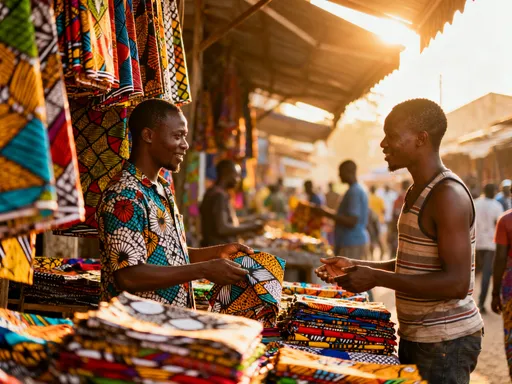
No visit to Kumasi is complete without stepping into the energy of its markets—especially Kejetia, one of West Africa’s largest open-air markets, and the neighboring Suame Market, known for its concentration of artisans and secondhand goods. Together, they form a labyrinth of stalls, alleys, and hidden courtyards where commerce and culture collide in vibrant chaos. The sensory experience is overwhelming: the clatter of metalworkers, the hum of bargaining, the flash of beads and fabrics, the aroma of grilled meat and ripe mangoes.
Kejetia is not a curated tourist bazaar but a working marketplace where locals buy everything from kitchenware to clothing to herbal remedies. Amid this bustle, handmade treasures can be found—but they require discernment. Authentic kente, adinkra cloth, carved stools, and beaded jewelry are sold alongside imported imitations. The key to finding genuine pieces lies in observation and conversation. Vendors who can explain the origin of their goods, name the village of production, or describe the crafting process are more likely to offer authentic items.
Bargaining is expected, but it should be respectful. A good approach is to ask the price, pause, and offer slightly less—never insultingly low. Many artisans appreciate buyers who show interest in the craft itself, not just the price. A simple question like “Who made this?” or “Where is this from?” can open a meaningful exchange. Some vendors may invite you to meet the maker nearby, offering a chance to see the work in progress.
While Kejetia can feel overwhelming, Suame Market offers a different rhythm. Known for auto parts and repair, it also hosts clusters of craft sellers, especially metalworkers shaping brass weights and jewelry. These tiny *abrammuo* weights, once used in gold trade, now serve as decorative charms. Exploring Suame requires curiosity and caution—narrow paths, uneven surfaces, and heavy machinery mean attention is essential. But for those willing to wander, unexpected finds await: hand-forged spoons, repurposed tools turned into art, and elders selling hand-stitched leather bags.
From Earth to Art: Pottery and Shea Craftsmanship
While kente and carving draw much attention, other crafts in Kumasi’s orbit are equally vital yet often overlooked. In Ntonso, women potters continue a tradition stretching back centuries, shaping clay into functional and ceremonial vessels without the use of a wheel. Using coiling techniques passed from mother to daughter, they build pots slowly, layer by layer, then burnish them with smooth stones for a polished finish. Once dried in the sun, the pots are fired in open pits using dried grass and wood, a method that imparts unique textures and colors.
These pots serve both domestic and ritual purposes—used for cooking, storing water, or presenting offerings during festivals. Their durability and natural cooling properties make them practical even in modern homes. Visitors to Ntonso can observe the entire process, from clay collection to final firing, and even participate in shaping a small piece. The potters welcome interest and often share stories about how their craft has sustained families through hard times.
Equally important is the work of women-led shea butter collectives in rural areas surrounding Kumasi. Harvesting shea nuts is labor-intensive: women gather them from wild trees, crack the shells by hand, roast the kernels, and grind them into paste. After boiling and skimming, the butter is cooled and packaged. Traditionally used for skin and hair care, shea butter has gained global popularity—but local producers often receive minimal compensation when sold through large exporters.
Supporting fair-trade shea cooperatives allows travelers to contribute directly to community development. Many women’s groups now produce beautifully packaged soaps, lotions, and balms, often infused with local herbs like neem or ginger. Buying these items ensures income stays within the community and honors the quiet dignity of women whose work is rarely celebrated. A small jar of shea butter, when sourced ethically, becomes more than skincare—it becomes an act of solidarity.
How to Travel with Purpose: Supporting Local Creators Responsibly
Travelers drawn to Kumasi’s handmade treasures have a responsibility to engage ethically. The growing demand for African crafts has led to a rise in mass-produced imitations—machine-woven “kente,” laser-cut “carvings,” and screen-printed “adinkra” sold at low prices. While accessible, these items lack the soul of authentic craftsmanship and often undercut local artisans. To ensure purchases make a positive impact, visitors should prioritize authenticity, provenance, and fair exchange.
One of the best ways to do this is by visiting cooperatives, community workshops, and village studios rather than shopping solely in central markets. Places like the Bonwire Kente Weavers Association or the Ntonso Adinkra Training Center allow direct interaction with makers. Seeing the time, skill, and materials involved helps justify fair pricing. A genuine handwoven kente strip may cost more than a tourist expects, but understanding the hours invested fosters appreciation rather than hesitation.
Asking questions is another powerful tool. Inquiring about the maker, the method, and the meaning behind a piece not only educates the buyer but signals respect to the seller. Artisans notice when someone values their knowledge, not just their product. When possible, choosing items with documentation—such as a card noting the artisan’s name or village—adds provenance and protects against fraud.
Finally, slow travel enhances the experience. Rushing through markets leads to superficial choices. Staying longer, returning to the same vendor, or arranging a guided craft tour deepens understanding. Organizations in Kumasi offer cultural itineraries that include weaving demonstrations, pottery workshops, and visits to women’s collectives. These experiences transform shopping into learning, and souvenirs into stories. When done mindfully, every purchase becomes a small act of preservation—one that honors the past while supporting the future.
Carrying Kumasi Home
Leaving Kumasi, one does not simply carry a bag of souvenirs. One carries stories—of weavers whose fingers move like time itself, of carvers who speak through wood, of women shaping clay and butter with quiet strength. These handmade treasures are not static objects but living threads in a continuing narrative. They connect the wearer, user, or keeper to a culture that values meaning over mass, depth over display, and heritage over haste.
To buy a piece of Kumasi’s craft is to participate in its survival. It is to say that tradition matters, that hands matter, that stories matter. In a world increasingly dominated by uniformity and speed, these treasures stand as quiet resistance—beautiful, intentional, and deeply human. They remind us that travel, at its best, is not about taking but about connecting.
So let your journey to Kumasi be more than a destination checked off a list. Let it be an opening—to listen, to learn, to honor. Let the kente drape your shoulders with pride, the adinkra symbols guide your thoughts, the carved stool anchor your home with history. For in these handmade wonders, you do not just find art. You find heart. And that is something worth carrying forward, across oceans and generations.