Taste of the Blue City: How Slow Travel Unlocks Rajasthan’s Hidden Flavors
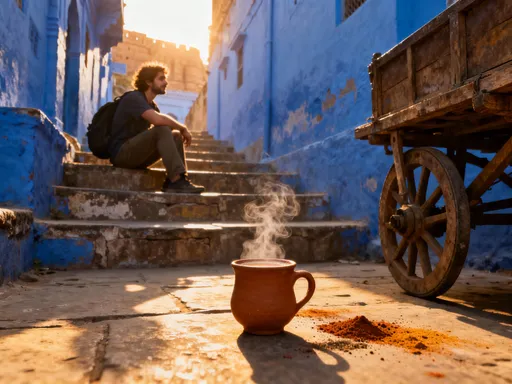
Wandering through Jodhpur’s sun-washed streets, I didn’t just see the blue houses—I tasted them. Not literally, of course, but through slow travel, every meal became a story. From sizzling kachoris at dawn to cardamom-scented chai in hidden courtyards, the city revealed itself one bite at a time. This isn’t just about food—it’s about connection, rhythm, and savoring life where it’s made. In a world that glorifies speed, Jodhpur teaches a different lesson: that the deepest experiences come not from how many places you see, but from how deeply you stay. Here, time unfolds like a hand-spun cloth—uneven, textured, and rich with meaning. And the thread that weaves it all together? Flavor.
The Pulse of Jodhpur: Why Slow Travel Fits Like a Hand in a Glove
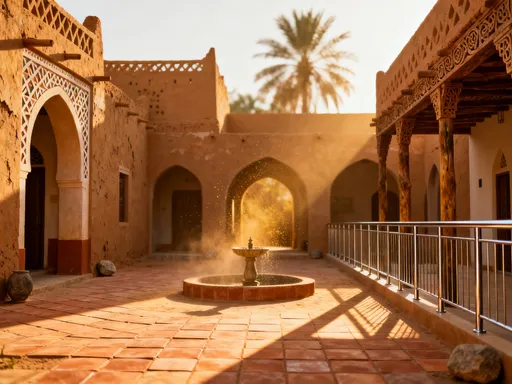
Jodhpur, known as the Blue City for its cluster of indigo-painted homes beneath the towering Mehrangarh Fort, is not a destination to be conquered. It is a place to be felt. The old city, with its labyrinthine alleys and sandstone archways, resists the hurried pace of modern tourism. Visitors who rush from fort to palace to market often leave with a checklist of sights but few real memories. The true essence of Jodhpur lies not in monuments, but in its rhythm—the slow, steady pulse of daily life that has changed little over generations.
Mornings begin with the clatter of milk cans and the scent of fresh roti rising from open kitchens. By midday, the sun hangs high, and the city retreats into a gentle hush as families gather for lunch and rest. As the heat softens, temple bells ring, children return from school, and street vendors light their stoves. This natural cadence is not an obstacle to tourism—it is the invitation. Slow travel means aligning with this rhythm, allowing yourself to be carried by the city’s breath rather than fighting against it.
Fast tourism, by contrast, creates a cultural mismatch. Tourists in air-conditioned vans snap photos from a distance, overpay for overpriced souvenirs, and eat at sanitized restaurants serving watered-down versions of local dishes. They miss the quiet moments: a grandmother stirring dal in a copper pot, a shopkeeper offering a sample of roasted cumin, a group of men sharing stories over steaming cups of chai. These are not staged performances—they are the real life of the city. And they are only visible to those who stay long enough to be seen.
Beyond the Fort: Finding the Real Jodhpur in Its Alleys and Markets
While Mehrangarh Fort dominates the skyline and rightly earns its place on every itinerary, the soul of Jodhpur lives in the spaces between. The real discovery begins when you step off the main paths and wander without a map. Sardar Market, a bustling bazaar near the clock tower, is not just a shopping destination—it is a living archive of the city’s tastes, textures, and traditions. Here, pyramids of turmeric glow like sunsets, dried red chilies hang in garlands, and the air carries the sharp tang of amchur, or dried mango powder.
Every step brings a new sensory layer. A vendor kneads dough for baati, round wheat balls that will be baked in clay ovens and dipped in ghee. Nearby, a woman grinds spices on a flat stone, her movements rhythmic and precise. Children dart between stalls, chasing each other past baskets of ker sangri—dried berries and beans native to the Thar Desert. This is not a market designed for tourists; it is where locals shop, bargain, and live.
Walking without a fixed route opens the door to serendipity. You might stumble upon a tiny shop where an elderly man serves homemade churma, a sweet crumbled wheat dessert soaked in jaggery. Or you might be invited into a courtyard by a spice seller who offers you a cup of masala chai simply because you paused to admire his display. These unscripted moments are not side attractions—they are the heart of the experience. They remind us that travel is not about collecting destinations, but about cultivating presence.
The Heartbeat of Hospitality: Eating Where Locals Eat
One of the greatest rewards of slow travel is learning where—and how—to eat. In Jodhpur, the most authentic flavors are rarely found in restaurants with English menus and laminated price lists. Instead, they hide in plain sight: in unmarked eateries, behind iron gates, or in family-run dhabas where the owner greets regulars by name. These places do not advertise. They do not need to. Their reputation is built on generations of trust, taste, and tradition.
A Rajasthani thali, a platter that includes multiple small dishes, is the perfect introduction to the region’s cuisine. It typically features dal baati churma—the iconic trio of lentil stew, baked wheat balls, and sweet crumbled wheat. Gatte ki sabzi, chickpea flour dumplings in a spiced yogurt sauce, adds creaminess and depth. Accompanying these are pickles, papads, and fresh rotis, all served on a metal plate that retains warmth and enhances flavor.
What makes the meal more than just food is the ritual. Eating with your hands is not just common—it is encouraged. It creates a direct, tactile connection to what you are consuming. There is no barrier between you and the meal, no cutlery to dull the experience. Sharing a platter with others turns eating into conversation. A smile, a nod, a shared laugh over a particularly spicy bite—these small exchanges build bridges across cultures.
Patience is part of the practice. Food is often prepared fresh when ordered, which means waiting. But in that wait, there is respect—for the cook, for the ingredients, for the moment. Unlike the instant gratification of fast food, this delay deepens appreciation. You are not just consuming; you are participating in a process that has sustained families for centuries.
Dawn Bites and Midnight Snacks: A Day in Jodhpur’s Food Rhythm
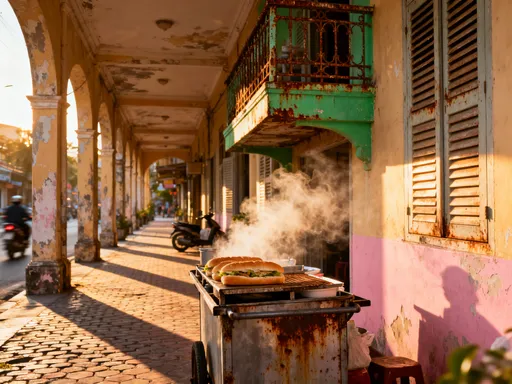
To eat in Jodhpur is to follow the city’s daily rhythm. The day begins early, often before sunrise, when street stalls come alive with the sizzle of oil and the scent of cumin. A favorite breakfast is the kachori, a deep-fried pastry stuffed with spiced lentils or onions. At a decades-old stall near the Ghanta Ghar, the owner shapes each one by hand, dropping them into hot oil with practiced ease. Served with tangy tamarind chutney and a side of potato curry, it is a humble meal that feels like a celebration.
By mid-morning, the sun is high, but the city stirs again with the sale of jalebi—golden-orange spirals of fried batter soaked in sugar syrup. Best enjoyed warm and dipped in chilled milk, they dissolve on the tongue with a crisp sweetness. Vendors at temple entrances often sell them alongside malpua, a pancake-like dessert soaked in syrup and sometimes topped with rabri, a thickened milk cream.
Afternoon brings a lull, but not a stop. In shaded corners, small carts serve pav bhaji, a buttery vegetable mash served with soft buns. While originally from Mumbai, it has found a beloved place in Jodhpur’s street food scene. As evening falls, the sidewalks fill with life. Families gather for snacks, students take breaks from studying, and workers unwind after long shifts. This is prime time for chaat—savory snacks like sev puri or dahi vada that balance sweet, sour, salty, and spicy in a single bite.
But the food journey doesn’t end at sunset. Late-night chai at a 24-hour dhaba is a ritual for travelers, truck drivers, and night owls alike. Seated on plastic stools under flickering tube lights, you sip tea so strong it wakes the soul, sweetened with sugar and infused with cardamom. The air hums with conversation, laughter, and the occasional horn from a passing scooter. In these quiet hours, when the city slows but does not sleep, you feel most connected to its heartbeat.
The Secret Menus: Unspoken Rules of Street Food Etiquette
Enjoying Jodhpur’s street food is not just about taste—it is also about understanding the unspoken codes of respect and safety. While the food is vibrant and accessible, a few mindful choices can enhance both your experience and your well-being. One of the best ways to identify a trustworthy stall is to observe the crowd. Stalls with long lines and high turnover usually mean the food is fresh and popular among locals. If a vendor is busy, it’s a good sign.
Hydration is important, especially in the desert heat, but it’s wise to stick to bottled water and avoid ice unless you’re certain it’s made from purified water. Many locals drink chai or lassi instead, both of which are boiled or fermented, making them safer options. Lassi, a yogurt-based drink, comes in sweet and salty versions and helps cool the body while aiding digestion.
Ordering is often a quiet exchange. A nod or a hand gesture can signal what you want. Payment usually comes after eating, and it’s common to leave a small extra coin as a thank-you. This gesture, though small, is noticed and appreciated. If you’re unsure of the price, a simple “kitna hua?” in Hindi will get a friendly response. Learning a few basic phrases shows respect and often opens doors to warmer interactions.
Photography should be approached with care. While it’s tempting to capture every colorful dish and smiling vendor, always ask permission first. A smile and a gesture toward your phone can go a long way. Some people may say no, and that’s okay. Others may pose proudly, happy to share their world. The key is to treat each interaction as a human exchange, not a transaction for content.
From Farm to Flavor: The Roots of Jodhpur’s Cuisine
To understand Jodhpur’s food is to understand its land. The Thar Desert, which stretches across western Rajasthan, is harsh and unforgiving. Water is scarce, rainfall is unpredictable, and temperatures soar. Yet, from this arid environment, a rich culinary tradition has emerged—one built on resilience, resourcefulness, and deep knowledge of the earth.
Staples like bajra (pearl millet) and jowar (sorghum) thrive in dry conditions and form the base of many breads and porridges. Dishes often use preserved ingredients—ker sangri, made from desert beans and berries, can last for months without refrigeration. Papads are sun-dried and stored for later use. Even churma, the sweet wheat crumble, is designed to keep well, making it ideal for long journeys or days without cooking.
Dairy plays a central role, thanks to the hardy cattle breeds like the Tharparkar cow, which can survive on sparse vegetation and little water. Ghee, yogurt, buttermilk, and milk-based sweets are not luxuries—they are necessities, providing essential fats and hydration. In a place where fresh vegetables are seasonal, dairy fills the gap, adding richness and nutrition to daily meals.
Water conservation shapes cooking methods too. Many traditional dishes use minimal liquid, relying on steam, ghee, or slow roasting to bring out flavor. Baati, for example, is baked in a tandoor until crisp on the outside and soft within, requiring no added water. This deep connection between environment and cuisine reminds us that food is never just about taste—it is a reflection of survival, culture, and identity.
Slow Eating, Lasting Memories: How Food Shapes Travel Identity
At the end of a journey, most travelers return with photos, souvenirs, and a list of places they’ve seen. But the ones who travel slowly return with something deeper: memories that live in the body. The taste of a perfectly spiced kachori at dawn. The warmth of chai shared with strangers. The smell of cumin and cardamom rising from a street cart at midnight. These are not just flavors—they are feelings. And they last far longer than any snapshot.
Compare two travelers in Jodhpur. One rushes through the fort in two hours, eats lunch at a tourist restaurant, and boards a train the next morning. The other stays for five days, wakes early to visit markets, eats at local dhabas, and learns to say “dhanyavad” (thank you) in Hindi. Years later, the first may struggle to recall details. The second will still remember the texture of baati dipped in ghee, the sound of temple bells at dusk, the face of the chai wallah who remembered their order.
Slow eating is a form of mindfulness. It asks you to be present, to notice, to appreciate. It teaches patience, humility, and curiosity. It transforms food from fuel into dialogue—a way of listening to a place, one meal at a time. In Jodhpur, where time moves differently and life unfolds in layers, this approach doesn’t just enhance travel. It redefines it.
So the next time you plan a journey, consider not just where you’ll go, but how you’ll stay. Let the city set the pace. Let the food guide you. And let the blue houses of Jodhpur remind you that the deepest travel experiences are not seen with the eyes, but tasted with the soul.