You Won’t Believe These Natural Gems Near Yekaterinburg—Here’s How to See Them Right
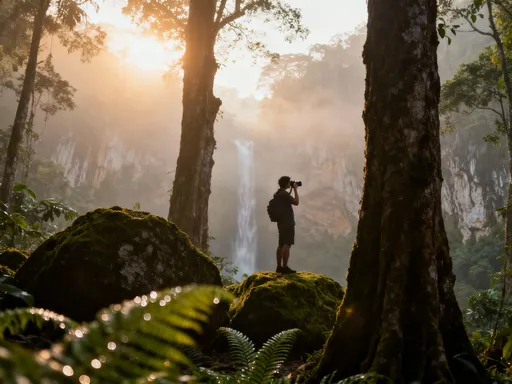
Yekaterinburg isn’t just a city of steel and Soviet history—just beyond its industrial edges lie wild forests, crystal-clear lakes, and quiet mountain trails that feel worlds away. I never expected such untouched beauty so close to an urban hub. If you know where to go and when to go, these natural wonders offer peace, adventure, and breathtaking views without the crowds. Let me show you how to experience them like a true explorer.
Discovering Nature Beyond the Urals’ Gateway
Yekaterinburg, often seen as a gateway between Europe and Asia, holds within its surrounding landscape a hidden world of natural serenity and geological wonder. While many travelers associate Russia with grand cathedrals or snowy Siberian plains, few consider the quiet majesty of the Middle Urals just beyond this bustling industrial city. The terrain here is shaped by ancient tectonic shifts, glaciers, and millennia of forest growth, creating a mosaic of pine-draped hills, winding rivers, and lakes formed in long-forgotten glacial basins. These are not manicured parks or commercialized resorts—they are raw, unfiltered expressions of nature, largely preserved due to their relative obscurity and the Russian tradition of quiet, respectful outdoor recreation.
The region's biodiversity is quietly impressive. The forests around Yekaterinburg are part of the vast taiga biome, home to moose, foxes, hares, and numerous bird species, including woodpeckers, jays, and the occasional golden eagle soaring above ridgelines. In spring, the understory bursts with color as wild garlic, anemones, and forget-me-nots blanket the forest floor. Rivers like the Iset and Tura swell with snowmelt, creating ideal conditions for gentle kayaking or peaceful shoreline walks. Unlike the more tourist-heavy areas of the Caucasus or Lake Baikal, these natural spaces remain refreshingly free of commercial development, offering solitude and a sense of discovery that’s increasingly rare.
What makes this region particularly special is its accessibility. Within an hour’s drive from the city center, the noise of traffic fades, replaced by birdsong and the rustle of leaves in the wind. The contrast is striking: from Soviet-era apartment blocks to untouched pine forests, all in less than sixty minutes. This proximity allows residents and visitors alike to enjoy weekend escapes without extensive planning or long journeys. For families, couples, or solo travelers seeking quiet reflection or light adventure, the natural areas near Yekaterinburg provide a perfect balance of ease and immersion. The key is knowing where to go and how to approach these landscapes with both curiosity and care.
Why Timing and Season Matter More Than You Think
The Ural Mountains are not forgiving of poor timing. Their continental climate brings long, frigid winters with snow that can linger into May, followed by a short but intensely vibrant growing season. To experience the region at its best, the ideal window is from late May through early September. During these months, trails become passable, lakes thaw, and the landscape transforms into a lush, green sanctuary teeming with life. July, in particular, stands out as the peak of natural abundance—temperatures hover between 18°C and 24°C (65°F to 75°F), wildflowers bloom in meadows, and the forests hum with the activity of insects and birds.
Early summer offers another advantage: fewer mosquitoes. While insect repellent remains essential, the worst of the biting bugs tend to emerge in mid-July and persist through August, especially near wetlands and slow-moving rivers. Travelers who visit in late May or early June often enjoy milder insect activity, softer light, and the beauty of fresh foliage—bright green and full of vitality. This period also coincides with the White Nights phenomenon, where twilight stretches late into the evening, offering extended daylight for hiking, photography, or quiet lakeside reading.
Winter visits, while possible, are best reserved for experienced outdoor enthusiasts. Snowshoeing and cross-country skiing are popular in designated zones, but unmarked trails can become hazardous due to poor visibility and sudden temperature drops. Similarly, autumn brings striking colors to the birch and aspen groves, but by late September, rain becomes frequent, paths turn muddy, and access roads may be poorly maintained. For most travelers, especially those unfamiliar with the region, the late spring to early autumn period offers the safest, most enjoyable experience. Planning around these seasonal rhythms ensures not only comfort but also a deeper appreciation of the landscape’s natural cycles.
Smart Transport Choices That Save Time and Stress
Reaching the natural wonders near Yekaterinburg requires thoughtful planning, particularly when it comes to transportation. While the city has a functional public transit system, its reach into the surrounding wilderness is limited. Regional buses and commuter trains—known locally as elektrichkas—do serve towns like Verkhnyaya Pyshma, Koltsovo, and Nizhny Tagil, which are gateways to forested areas. However, these services often run infrequently, especially on weekends, and may drop passengers several kilometers from actual trailheads. This can turn a relaxing day trip into a long walk before the adventure even begins.
For greater flexibility, renting a compact 4x4 vehicle is often the best option. These cars handle unpaved forest roads well and allow travelers to access remote areas like the upper Tura River or the quieter sections of the Taganay foothills. Fuel stations are available on major routes, and rental agencies in Yekaterinburg offer competitive rates for compact SUVs with all-wheel drive. Navigation apps like Yandex Maps work well in the region, though downloading offline maps is advisable, as mobile coverage diminishes quickly outside urban zones.
For those who prefer not to drive, joining a small-group eco-tour is a reliable alternative. Several local operators offer guided day trips to scenic lakes, hiking trails, and hidden forest clearings. These tours typically include round-trip transportation, a knowledgeable guide, and sometimes even a simple picnic lunch prepared with local ingredients. They are especially valuable for travelers with limited Russian language skills, as guides can help navigate signage, explain ecological features, and ensure group safety. Budget-conscious visitors can also combine public transport with short hikes—for example, taking an elektrichka to Koltsovo and walking 30 minutes into the surrounding pine forest. The key is balancing convenience, cost, and access to ensure a smooth, enjoyable journey.
Hidden Lakes and Forests Only Locals Know About
Beyond the well-trodden shores of Issetskoye Reservoir, a network of lesser-known lakes and forested enclaves offers tranquility and unspoiled beauty. One such gem is Malysheva Lake, nestled among birch and pine groves just a short drive from the city. Unlike more popular destinations, it rarely sees large crowds, making it ideal for quiet reflection, swimming, or simply floating on a calm summer afternoon. The water is clear, the shoreline is mostly natural, and the surrounding forest provides ample shade and birdwatching opportunities.
Another hidden treasure is the chain of small ponds near Akademichesky, a residential district on the city’s eastern edge. These shallow, reed-fringed waters are perfect for kayaking, especially at dawn when mist rises from the surface and kingfishers dart between branches. Local birdwatchers frequent the area to spot teal, herons, and even the occasional osprey. Because these ponds are not officially promoted as tourist sites, they remain free of commercial infrastructure, preserving their peaceful character.
Forest paths near Shirokaya Rechka also lead to secluded clearings that feel like secret gardens. These open meadows, dappled with sunlight and dotted with wildflowers, are favored spots for family picnics or quiet reading under the trees. Reaching them requires no special equipment—just a good pair of walking shoes and a basic sense of direction. However, signage is minimal, so using GPS coordinates shared by local hiking forums or outdoor apps is highly recommended. Some areas may require asking a local resident for directions, which can be a rewarding interaction in itself. The effort to find these quiet places is repaid not in spectacle, but in stillness—a rare commodity in today’s fast-paced world.
Hiking Trails with Real Reward: Views Worth the Climb
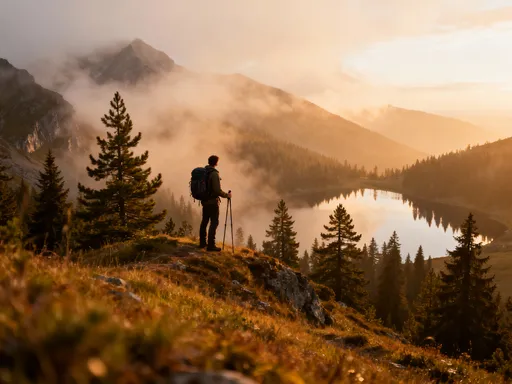
The Urals may not rival the soaring peaks of the Alps or the Caucasus, but they offer surprisingly rewarding hikes with modest effort. One standout trail leads to the summit of Beshtau Hill—a local favorite that should not be confused with the more famous Mount Beshtau in the Caucasus. This Yekaterinburg-area hill rises gently but delivers a panoramic view of the city’s skyline blending into endless forest. The ascent takes about 45 minutes on a well-maintained path, making it suitable for families and casual hikers. At the top, a simple wooden observation platform provides a perfect vantage point for sunrise or sunset, when the sky glows in shades of amber and rose.
For a longer adventure, the Green Pearl eco-route near Nizhny Tagil offers a more immersive experience. This multi-kilometer trail winds through marshlands, pine forests, and along rocky outcrops, with sturdy wooden boardwalks protecting the fragile wetland ecosystem. Interpretive signs along the way explain the local flora and fauna, from sphagnum moss to Siberian pine. The trail is well-marked and maintained, yet rarely crowded, allowing hikers to walk in peaceful solitude. Sections of the path climb slightly, offering sweeping views of forested valleys and distant ridgelines.
Another rewarding route follows the upper reaches of the Iset River, where the water flows over small rapids and through shaded canyons. This trail is popular with photographers and nature lovers, especially in late summer when the light filters through the trees in golden beams. Regardless of the trail chosen, proper preparation is essential. Hiking boots with good grip are recommended, as paths can be muddy after rain. Layered clothing is also wise—temperatures can vary significantly between shaded forest areas and open hilltops, even in summer. With the right gear and a steady pace, every trail in the region offers more than physical exercise—it offers a chance to reconnect with the rhythm of the natural world.
Packing and Preparation: What You Actually Need
One of the most common mistakes travelers make is overpacking for short nature excursions. The remote beauty of the Ural surroundings doesn’t require military-grade gear—just thoughtful preparation. A lightweight backpack (20–30 liters) is sufficient for day trips. Essential items include at least two liters of water or a water purification system, as natural water sources should never be consumed untreated. Water purification tablets or a portable filter are compact and reliable solutions.
A basic first-aid kit should include adhesive bandages, antiseptic wipes, blister treatment, and any personal medications. Quick-dry clothing made of synthetic or wool blends is preferable to cotton, which retains moisture and can lead to discomfort or chills. A light rain jacket and a warm mid-layer, such as a fleece or down vest, ensure comfort in changing conditions. Insect repellent containing DEET or picaridin is non-negotiable during summer months, especially near wetlands. A wide-brimmed hat and sunscreen also provide protection during long hours under open sky.
Snacks should be energy-dense and easy to carry. Locally available rye bread, dried fruits, nuts, and hard cheeses are excellent choices, often sold in markets or grocery stores in Yekaterinburg. Avoid single-use plastics—many natural areas lack trash bins, and the principle of “pack it in, pack it out” is essential for preserving these spaces. A reusable water bottle, cloth bag, and metal utensils minimize waste. Finally, navigation tools are crucial: a physical map and compass, or a smartphone with offline maps downloaded, can prevent disorientation on poorly marked trails. With the right preparation, every journey into nature becomes safer, more enjoyable, and more respectful of the environment.
Respecting Nature While Making the Most of It
The enduring beauty of the landscapes near Yekaterinburg lies in their quiet, unspoiled character. Unlike heavily visited national parks elsewhere, these areas have not been reshaped for mass tourism. There are no souvenir shops, no loudspeakers, no crowds. This preservation is not accidental—it is the result of a cultural attitude that values nature as a place for reflection, not consumption. Many local families visit the same forest clearings or lakeshores year after year, leaving no trace beyond footprints that fade with the rain.
Visitors can honor this tradition by following simple but meaningful practices. Staying on marked trails prevents damage to fragile plant life and reduces soil erosion. Campfires, if permitted, should only be lit in designated fire rings or metal grills, and never left unattended. In many areas, open fires are prohibited during dry seasons due to wildfire risk. When in doubt, it is best to avoid fires altogether and use a portable stove for heating food or water.
Littering is not just harmful—it breaks a silent pact between people and nature. Every piece of trash carried out is a contribution to preservation. This includes organic waste like fruit peels, which decompose slowly in cool climates and can attract animals to human areas. Similarly, taking natural souvenirs—such as stones, flowers, or branches—may seem harmless but disrupts ecological balance over time. The best souvenirs are photographs, memories, and the quiet satisfaction of having moved through nature with respect.
Wildlife should be observed from a distance. Feeding animals, even with good intentions, can alter their natural behaviors and make them dependent on humans. Birds, squirrels, and even larger animals like deer are best appreciated in their natural state—free, cautious, and wild. By practicing mindfulness and restraint, travelers become stewards of these spaces, ensuring they remain pristine for future generations.
Turn Scenery into Meaningful Experience
Exploring the natural gems near Yekaterinburg is about more than scenic views or outdoor activity—it is about cultivating a deeper relationship with the earth. In a world that often feels rushed and artificial, these forests, lakes, and trails offer a rare opportunity to slow down, breathe deeply, and listen. The rustle of leaves, the call of a distant bird, the cool touch of lake water on skin—these are not distractions, but reminders of a simpler, more grounded way of being.
With thoughtful planning, seasonal awareness, and a spirit of quiet curiosity, every journey into the Ural wilderness becomes more than a trip—it becomes a renewal. Whether walking a forest path with a child, sharing a simple meal by a quiet lake, or standing atop a hill as the sun sets behind the trees, these moments accumulate into a richer, more meaningful life. The natural world near Yekaterinburg does not demand grand gestures or extreme challenges. It asks only for presence, respect, and a willingness to see beauty in stillness. And in return, it offers peace—one quiet step at a time.